

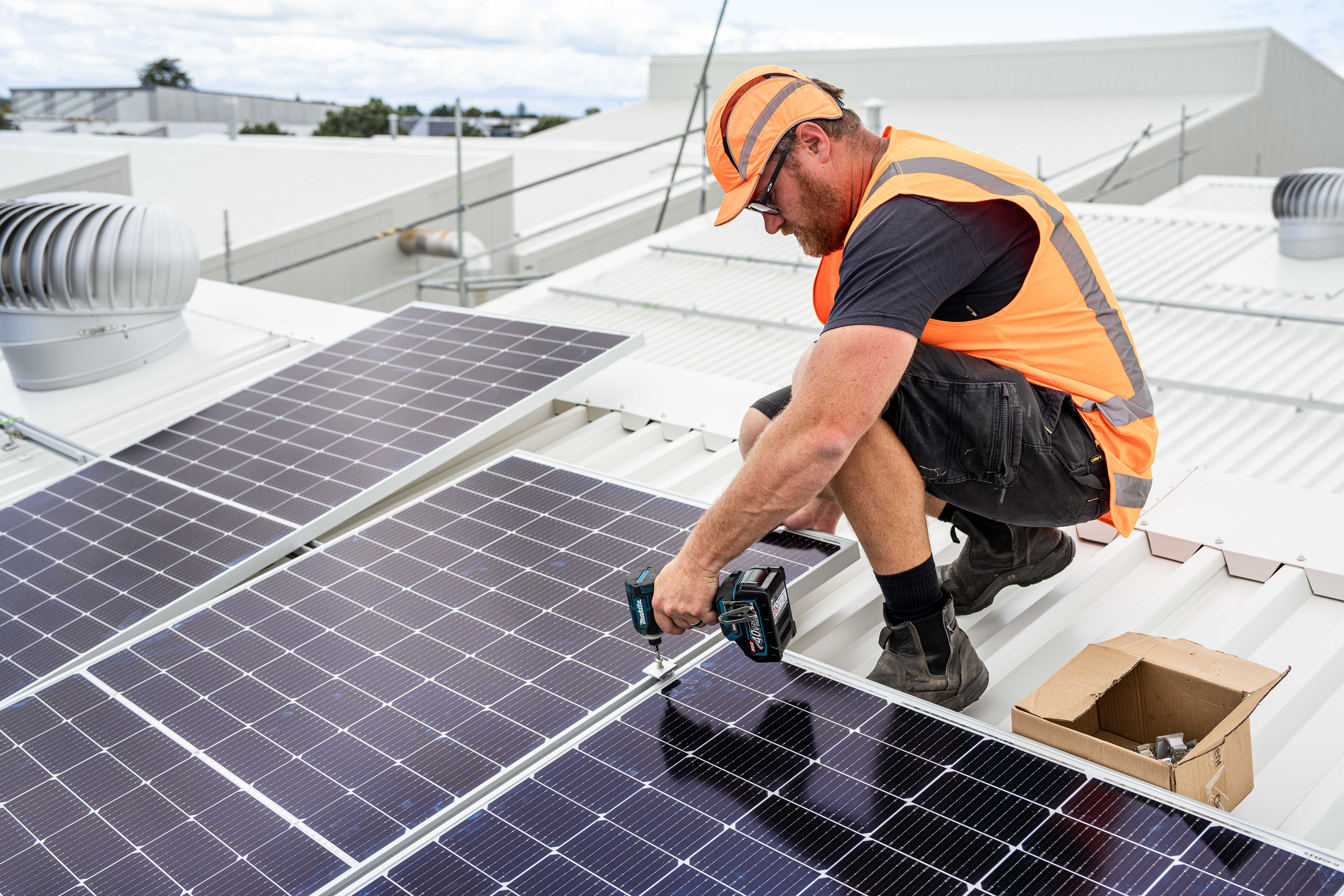
Solar panels spend their working life outside, so naturally they’re going to collect a bit of dirt along the way.
Depending on where you live, dust, pollen, leaves, bird droppings and salt can all build up on the surface of solar panels. Over time, enough build-up can reduce the amount of sunlight reaching the cells underneath and affect how much electricity your system generates.
The good news: solar panels are relatively low maintenance. Good old fashioned rain should take care of most of the regular cleaning for you, and in most parts of New Zealand, rain is pretty common. However, sometimes solar panels do need a professional clean for best performance.
So, how often do they actually need to be cleaned?
How often should you clean solar panels?
Cleaning solar panels around once a year is generally enough for mort homes. EECA (Energy Efficiency and Conservation Authority) advises that annual cleaning can be sufficient where there is good rainfall, as rain naturally helps wash away dirt and debris.
But we are an island nation, and this means there are many places where your panels may need some more attention. If your home is close to the coast, beside a dusty road, surrounded by trees or exposed to higher levels of pollen and bird activity, EECA suggests cleaning may be needed every three to six months.
There is no single cleaning schedule that works for every home. The condition of the panels and the performance of your solar system are better indicators than simply sticking to a calendar.
Does rain clean solar panels?
As mentioned above, yes! But perhaps just with a little asterisk beside it.
New Zealand gets enough rainfall in many areas that rain will regularly do a lot of the cleaning work for you. That is one of the reasons solar systems generally require relatively little ongoing maintenance. Rain won’t necessarily remove everything, though. Bird droppings, built-up grime, leaves and coastal salt can remain on the panels, particularly after long periods of dry weather.
So, it’s worth occasionally looking at your panels as best you can and keeping an eye on your system’s performance.
How do you know when your panels need cleaning?
The best way is to take a good look and see if there is any obvious signs of dirt or debris.
Another useful indicator is your solar monitoring system. Most modern solar systems allow you to track how much electricity your panels are generating over time, so if you see declining performance, this could be a sign a clean is in order.
It is worth noting that solar generation naturally changes with the seasons and weather, so a lower day here or there isn’t necessarily a concern, but if output appears consistently lower than you would expect for the time of year and conditions, it may be worth checking whether dirt, shading or another maintenance issue is affecting the system.
How should you clean your solar panels?
If your panels are safely accessible, cleaning them should be relatively simple.
EECA recommends using plain water, with a small amount of detergent if there is grime that water alone won’t remove.
You should avoid using:
•Pressure washers
•Abrasive brushes or pads
•Steel wool
•Hot water
We know it’s pretty tempting to get the job done quick with a pressure washer, but these can potentially damage the panels, so it’s definitely not worth the risk.
And on the topic of risk, the most important thing to note is that dirty panels aren’t worth risking your safety. If your panels are on a steep roof or aren’t easily accessible, use a professional rather than attempting to reach them yourself. The ‘do it yourself, number 8 wire’ Kiwi attitude is nearly always the right one, but not when you’re climbing steep roofs without the proper equipment to keep you safe.
Cleaning isn't the only thing to keep an eye on
While we’ve got you, another good reminder is that keeping your solar panels clean is only one part of looking after your system.
Trees and vegetation can grow over time and begin shading panels that previously received full sunlight. Even if the panels themselves are perfectly clean, increased shading can affect how much solar energy your system generates.
It’s also sensible to visually check your system after severe weather for obvious damage or debris. EECA recommends checking panels and mounting systems following storms or strong winds, particularly in more exposed environments.
Solar panels are designed to be low maintenance
One of the advantages of rooftop solar is that there isn’t a long list of jobs required to keep the system operating. Solar panels can operate well for around 25 to 30 years, with relatively straightforward ongoing care.
For most homes in New Zealand, that means keeping an eye on system performance, checking for shading or obvious debris, and giving the panels a clean when they need it.
You don’t need to be up on the roof every few months simply because you own solar panels, but a little maintenance at the right time can help ensure your system continues getting as much sunlight as possible and generating the energy you installed it for.
If you’re considering solar for your home, Rheem Solar Solutions can help you design a system suited to your property, energy use and long-term needs, and we can also help answer any ongoing cleaning & maintenance questions you might have.
Latest news
Do Solar Panels Need Cleaning?
Depending on where you live, dust, pollen, leaves, bird droppings and salt can all build up on the surface of solar …
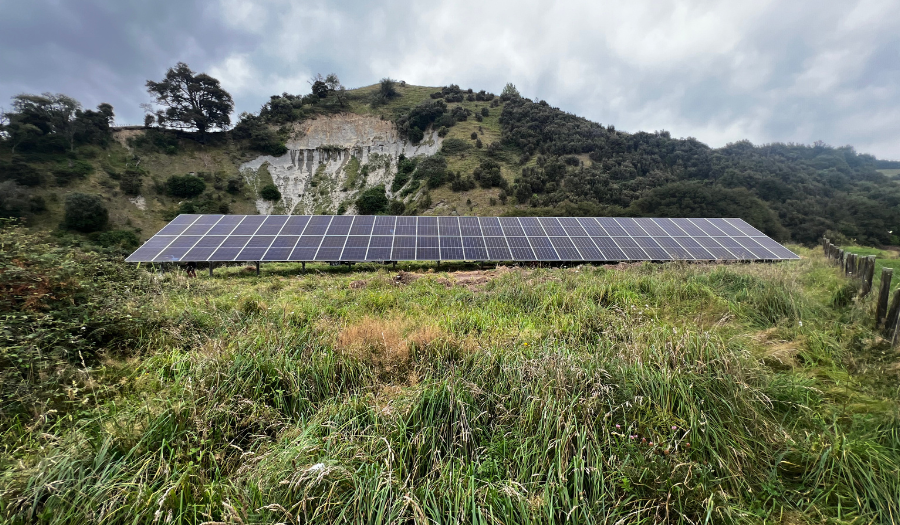
Award-Winning Solar Pumping Project Sets New Benchmark for Sustainable Water Management
The system had to reliably deliver 100 cubic metres of water per day at 160 metres of head, entirely powered by solar …

Solar on Low Pitch Roofs: Designing Effective Solutions with Adjustable Tilt Racking
Low pitch roofs are becoming increasingly common in contemporary architecture. From shallow skillion designs through to …

Understanding the Return on Investment of Commercial Solar PV
As New Zealand businesses approach the end of the financial year, many are re-evaluating how best to allocate remaining …

What to Ask Your Solar Provider
Thinking about solar but not sure where to start? You’re not alone. Between kilowatts, inverters, and all the different …

How a Green Loan can Fund Your Solar Solution
Installing solar power has become one of the most popular ways for Kiwi homeowners to reduce their energy bills and …

Rheem New Zealand: A Brief History
Starting as a steel drum manufacturer in 1958, the next 66-years would see us manufacturing toothpaste tubes, …

Rheem Solar Solutions & Low Carbon Design
In every area of your home, there are now tangible solutions for reducing your household’s emissions. There is one …

Rheem® Solar Solutions Factory Installation an Overwhelming Success
To continue working towards our own bold sustainability goals, we also made it a priority to transition the Rheem® …